

VoIP gateways and adapters for analog, digital and mobile lines
A VoIP gateway connects a traditional or mobile line to your IP network, so analog phones, fax machines, PRI trunks and SIM-based lines can work with an IP-PBX or a SIP provider. This category covers analog and digital gateways, cellular gateways, ATAs, SBC and failover units, and Asterisk cards.
Use the shortcuts below or the filters on the left to narrow the list by gateway type, port count, FXS, FXO, PRI or BRI ports and SIM slots. Send us the line type, the number of channels and your platform, and we will prepare a quote.
Gateways & Adapters
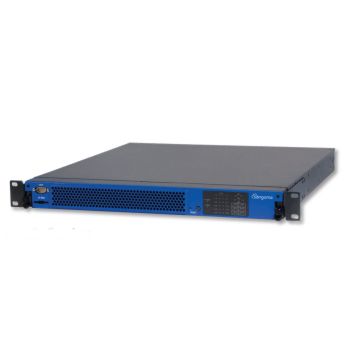
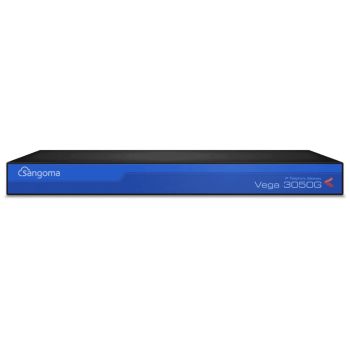

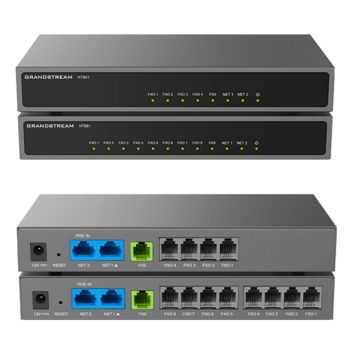
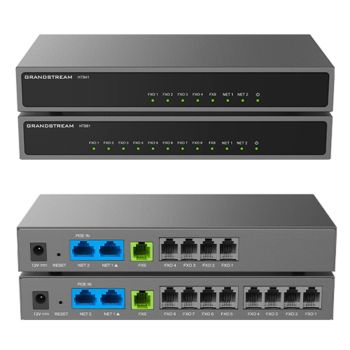
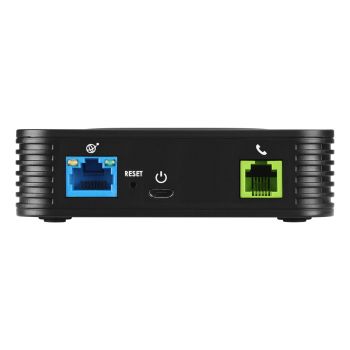
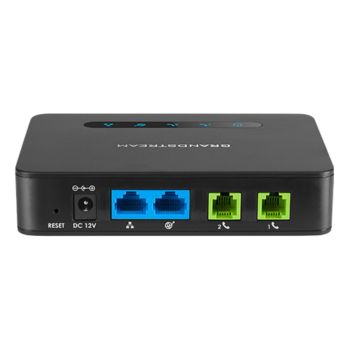
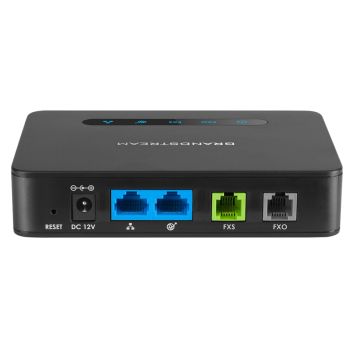
How to choose a gateway or adapter
Start from the line you already have and the system it must reach: what kind of line it is, how many channels you need, and which PBX or provider will receive the calls. The tables below turn each answer into a filter on this page.
Which gateway for which situation
| Situation | What to look for | Filter |
|---|---|---|
| Analog phones or fax machines to keep | An FXS gateway or ATA, with one port per device | FXS |
| Analog telephone lines from the operator | An FXO gateway, with one port per line | FXO |
| A digital PRI trunk from the operator | An E1/T1 gateway sized to the number of PRI ports | E1/T1 |
| Calls over mobile networks, or a backup line | A GSM gateway with enough SIM slots for your channels | GSM |
| 4G connectivity for voice | An LTE cellular gateway | LTE |
| Protecting a SIP trunk or keeping calls up if the link fails | An SBC or failover unit | SBC |
Gateway families compared
| Family | Typical use | Connects to | Keep in mind |
|---|---|---|---|
| Analog gateways (FXS / FXO) | Analog phones, fax and operator analog lines | FXS ports serve devices, FXO ports connect to lines | Choose the FXS and FXO port counts separately |
| Digital gateways (E1 / T1 / BRI) | Trunks with many simultaneous calls | A PRI (E1/T1) or BRI digital line | Match the line standard of your operator and the number of ports |
| Cellular gateways (GSM / LTE / WCDMA) | Mobile-network calls and backup lines | SIM cards in the gateway | The network standard and SIM slot count decide the capacity |
| SBC & failover | Securing and backing up SIP trunks | Your IP network and SIP provider | Check the supported concurrent calls |
| ATA adapters | A few analog phones or a fax | One or a few FXS ports | Suited to small numbers of devices, not trunks |
| Asterisk cards | Adding telephony interfaces to an Asterisk server | A PCI or PCIe slot in the server | Needs a compatible server and an Asterisk-based system |
Specifications that make a difference
Gateway type and port countsFXS ports connect analog devices such as phones and fax machines, while FXO ports connect to analog lines. PRI (E1/T1) and BRI ports connect digital trunks. Count each type you need separately and leave room to grow.
SIM slots for cellular gatewaysEach SIM slot supports a mobile line, so the number of slots limits how many cellular channels you can run. Check whether the unit supports the network standard you need: GSM, WCDMA or LTE.
Concurrent callsFor SBC and failover units, the maximum number of concurrent calls sets how many conversations can be handled at the same time. Size it for your busiest period, not the average.
Compatibility with your PBX or SIP provider
Gateways and adapters speak SIP, so they register with most IP-PBX systems and SIP providers. Codec support, provisioning options and the way fax is handled vary by model, so check each product page and tell us your platform if you want a shortlist that fits it.
IP-PBX & Unified Communications · IP Phones · Networking
Where gateways and adapters are used
Offices migrating to IP telephonyFXS and FXO gateways keep existing analog phones and lines in service during the move.
Call centres and head officesE1/T1 gateways bring operator PRI trunks into an IP-PBX.
Hotels and multi-room sitesHigh-density FXS gateways serve many room phones from one unit.
Remote sites without fixed linesGSM and LTE gateways provide voice lines through SIM cards.
Service providers and integratorsSBC units and Asterisk cards help build and protect SIP trunking and custom telephony systems.
Send us these details for a faster quote
- The line type: analog, PRI (E1/T1), BRI or cellular
- How many ports, channels or SIM slots you need of each type
- The PBX or SIP provider the gateway must register with
- Devices to connect: analog phones, fax machines, alarm or other equipment
- Rack or desktop mounting and any redundancy requirements
Connect every line to your IP system
BTOBBuy works quote first. Tell us the lines you need to connect or the models you are considering and we reply with an offer, including mixed orders with phones, PBX and network equipment.
Request a quotesales@btobbuy.com · +86 19548825798Frequently asked questions
What is the difference between FXS and FXO?
An FXS port supplies the line to an analog device such as a phone or fax machine. An FXO port connects to a telephone line or to an analog PBX extension, so it receives the line.
Do I need a gateway or an ATA?
An ATA is suited to one or a few analog devices. For many phones, operator lines or digital trunks, a gateway with the right port count is the better fit.
What is the difference between E1 and T1?
Both carry digital voice channels over a PRI line. E1 is the usual standard in Europe, Africa and much of Asia, and T1 is common in North America and Japan, so match your operator's service.
How many SIM slots do I need in a cellular gateway?
Plan one SIM slot for each mobile line you want to run, and check that the unit supports the network standard of your SIM cards: GSM, WCDMA or LTE.
Will a gateway work with my PBX?
Gateways use SIP and register with most IP-PBX systems and providers, but provisioning and features depend on the model. Send us your platform and we will check the match.
Can fax work over VoIP?
It can, but reliability depends on the gateway and the network. Check the fax support listed on the product page and tell us your requirements.
